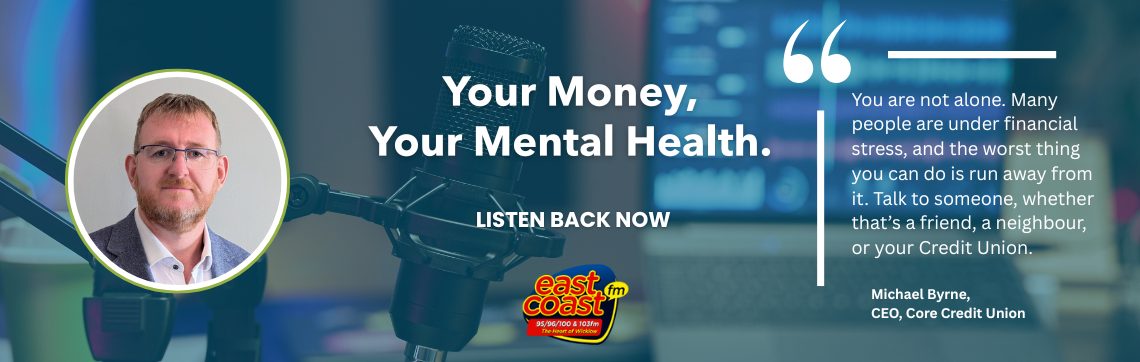

Money worries affect nearly everyone at some point. Whether it’s the stress of unexpected bills, juggling loan repayments, or simply trying to make ends meet, financial pressure can have a real impact on how we feel day to day. In our latest blog, we look at how money can impact your mental health and what you can do about it.
Why is it important for me to talk about money and mental health?
Money worries rarely arrive all at once. They tend to build slowly and are often the result of many trivial things. People often don’t realise how much strain they’re under until it starts affecting their sleep, mood, or relationships. Feeling like you’re the only one struggling can make that pressure feel even worse. But recognising what’s happening and taking steps early can make a real difference.
How can I tell if financial stress is affecting my mental health?
Financial stress can show up in different ways. Some people experience physical symptoms like poor sleep, headaches, or constant fatigue. Others might avoid bills, feel anxious about checking their bank balance, or worry constantly about day-to-day costs. It can also cause tension in relationships. Money is one of the most common sources of arguments in homes. The key is to spot the signs early. What starts as a background worry can quickly turn into constant stress if it’s ignored.
What are the most common causes of my financial stress?
Unexpected expenses are a major cause. Things like car repairs, medical bills, or emergency home and property costs. Without a financial cushion, even small surprises can feel overwhelming. Relying on credit to cover everyday expenses can also create stress. Managing multiple credit cards, loans, and household bills is a juggling act. And there are the additional expenses that we must plan for like school fees, birthdays, special occasions, or seasonal expenses.
How can I manage debt without it affecting my mental health?
The key to alleviate financial stress is to start by getting clear on your situation. Write everything down, your bills, loans, and due dates, so you can see everything clearly. Once you can see it all, it feels less chaotic. Then you can prioritise what’s most important. When it comes to everyday finances, focus on the essentials housing, utilities, food, and transport. Then start setting aside small, regular amounts for upcoming costs that you have sight of like school expenses or car maintenance. Review your bills and subscriptions to see if you can make any cost savins. Next is putting something aside for the unexpected costs to build a “rainy day” fund.
What can I do if I feel completely overwhelmed?
The most important thing is not to go through it alone. Talking about money problems can immediately ease some of the burden. If money worries are affecting your mental health, reaching out to a friend, family member, or a professional support service can make an enormous difference. A good first step is to talk to your local Core Credit Union branch. The team there can go through your situation, help you explore practical solutions, and provide support in a confidential, understanding way. MABS (the Money Advice and Budgeting Service) also offers free, expert guidance on budgeting and debt management. Asking for help is often the first step to regaining control.
How can I prevent financial stress in the future?
Planning ahead makes a significant difference. Even a small emergency fund can help absorb unexpected costs. Regularly reviewing bills, subscriptions, and contracts can also free up money without requiring major lifestyle changes. Setting realistic financial goals such as paying off a credit card, saving for an event, or building a small buffer can improve both financial stability and peace of mind.
Remember that prevention is better than cure. Balance is key when it comes to your money and mental health. By proactively managing your finances, money becomes something you control and not something that controls you. That sense of control has a real, positive impact on mental health.